
20 Easy Ways to Add More Storage Without Remodeling Your Home
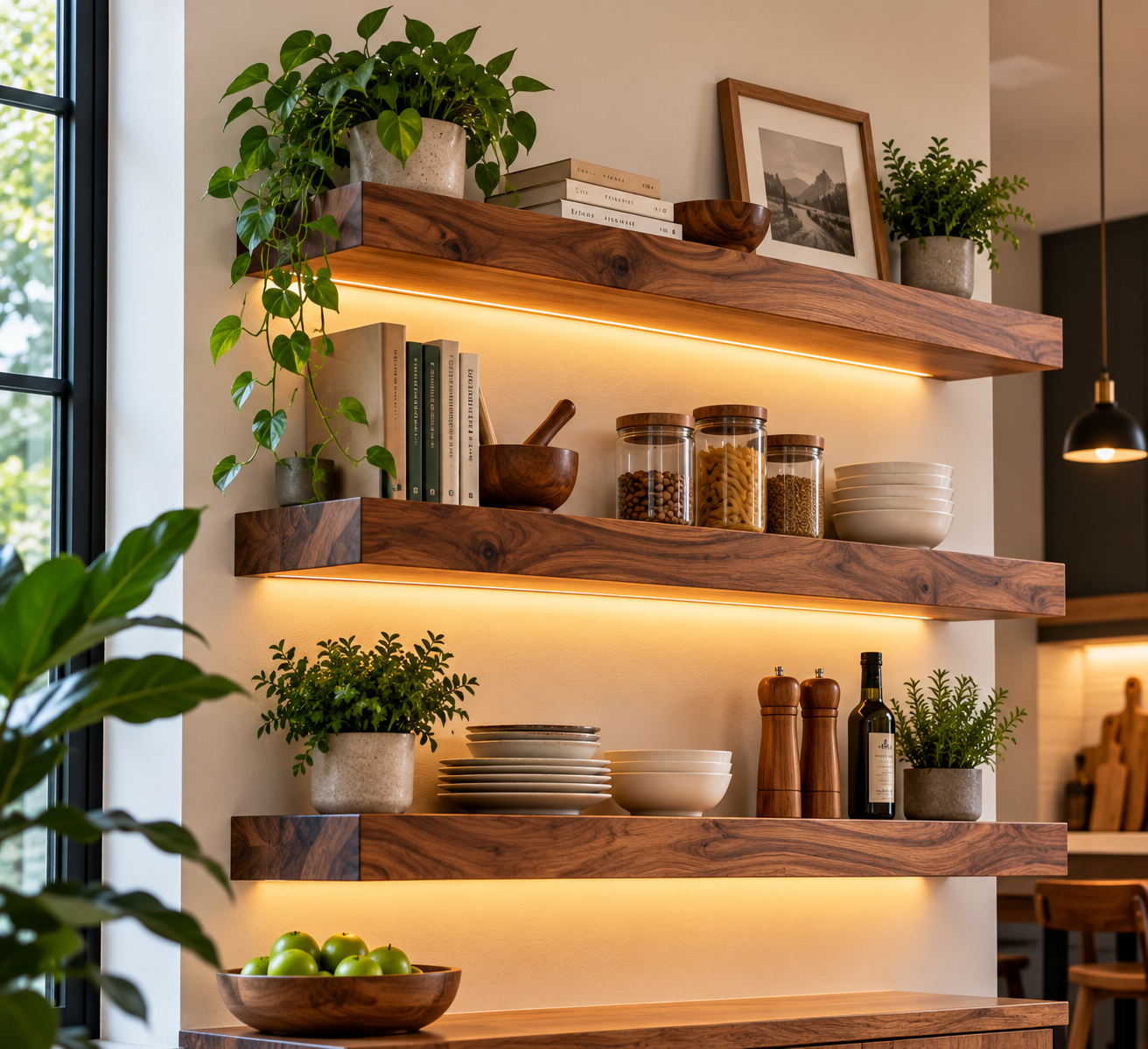
20 Easy Ways to Add More Storage Without Remodeling Your Home
A home can feel cluttered even when you have plenty of space. Kitchen counters fill with everyday essentials, bathroom products crowd the edges of the sink, shoes gather near the front door, and shelves become packed with things that do not seem to have a proper place. Before long, rooms that should feel relaxing begin to feel busy and disorganized.
The good news is that you do not need to knock down walls, renovate an entire room, or invest in expensive built-in cabinets to create more storage. Often, the biggest improvements come from using the space you already have more intelligently.
A floating shelf above a desk, a narrow organizer beside the entryway, a wooden tray on the bathroom counter, or a thoughtfully arranged set of wall shelves can make everyday items easier to store while helping your home look more inviting.
The key is to choose storage that solves a real problem without adding more visual clutter. Natural wood can be especially effective because it combines practical function with warmth, texture, and timeless style.
At Stumps Custom Wood, a family-owned woodworking business based in Shelby, Ohio, handcrafted shelves, wooden home goods, and custom woodworking offer inspiration for homeowners who want storage solutions that feel like part of their décor rather than an afterthought.
Here are 20 easy ways to add more storage without remodeling your home.
1. Install Floating Shelves to Use Empty Wall Space
<AsyncImage query="warm natural walnut floating shelves styled in small living room with books ceramics and small plants" aspectRatio="5:4" width="100%" />
Look around your living room, bedroom, or home office. You may notice empty wall space that could hold books, framed photographs, small plants, or everyday accessories.
Floating shelves turn that unused area into functional storage without taking up valuable floor space. They are particularly useful in smaller rooms where adding another cabinet or bookcase would make the space feel cramped.
Wooden floating shelves can also become an attractive design feature. Imagine a walnut shelf against a light-colored wall, displaying a few favorite books, a ceramic vase, and a framed photograph. Instead of looking like a storage solution added out of necessity, the shelf becomes part of the room's visual character.
Choose a shelf size that fits the wall, and secure it to suitable structural support using hardware appropriate for the wall type and intended load.
Stumps Custom Wood inspiration: If you want shelves that complement your home's style, explore custom woodworking options that can help you make better use of available wall space.
2. Add Shelves Above the Toilet
Bathrooms often have limited storage, especially when there is no room for a larger vanity or linen cabinet. The wall above the toilet is frequently overlooked, even though it can provide useful space for neatly arranged essentials.
A shelf or compact shelving unit can hold spare toilet paper, folded hand towels, small baskets, and decorative accessories. Wooden shelving can soften the hard surfaces of tile, glass, and porcelain, giving the bathroom a warmer, more finished appearance.
For a coordinated look, choose baskets or containers that keep small items together instead of scattering products across the shelf. Keep anything that could be damaged by humidity in a suitable location, and use moisture-appropriate materials and finishes.
Measure carefully to maintain comfortable clearance above the toilet, and make sure the shelves are securely mounted.
3. Use a Wooden Tray to Organize Bathroom Essentials
<AsyncImage query="wooden bathroom countertop tray organizing skincare bottles soap folded white towels natural spa decor" aspectRatio="5:4" width="100%" />
A bathroom counter can quickly become a collection of soap dispensers, skincare bottles, toothbrush holders, and small accessories. Even if every item is useful, the arrangement can make the entire room look messy.
A wooden tray creates a defined area for the products you use every day. Place your most frequently used items together, remove anything you rarely reach for, and leave the surrounding counter clear.
The result is simple but noticeable: instead of several unrelated objects competing for attention, you have one organized arrangement with a clear visual boundary.
Choose a tray that fits the counter and is easy to lift for cleaning. Since bathrooms are exposed to moisture, wipe up spills promptly and select a product and finish suitable for the environment.
For a more relaxing bathroom, pair an organized counter with a few neatly folded towels and restrained décor.
4. Choose a Bathtub Tray for a More Organized Bath
<AsyncImage query="wooden bathtub tray across white bathtub with folded towel book and small bath accessories warm bathroom" aspectRatio="5:4" width="100%" />
The edge of a bathtub can become a temporary holding area for shampoo, soap, bath accessories, and anything else you carry into the bathroom. A bathtub tray offers a more organized place for selected essentials while helping the space feel calmer.
A wooden bathtub tray can hold appropriate bath accessories, a folded washcloth, or a book when designed for that purpose. Its natural texture adds warmth to a bathroom filled with smooth tile, glass, and porcelain.
Beyond organization, it can help create a more inviting bathing routine. Instead of balancing products along the tub edge, you have a designated place for the items you want nearby.
Stumps Custom Wood offers bathtub trays and other handcrafted wooden home products for people who want practical accessories with natural character. A thoughtfully chosen wooden tray can serve as both a useful bathroom accessory and a decorative addition to your home.
Always check that a bathtub tray fits your tub securely, follow the product's use and care guidance, and keep electrical devices away from water.
5. Create a Dedicated Entryway Drop Zone
Keys, sunglasses, mail, wallets, reusable shopping bags, and other everyday items tend to accumulate near the front door. Without a designated place for them, the entryway can become cluttered before the day has even begun.
Create a simple drop zone using a small shelf, wall hooks, a tray, and a basket. Keep keys and frequently used items together, hang bags where they are easy to reach, and sort incoming mail instead of allowing it to pile up.
A wooden shelf can give the arrangement a more intentional appearance. Add a small dish or tray for pocket-sized items, and keep the surface clear enough that you can find what you need when leaving home.
You do not need a large mudroom or a custom-built cabinet to make this work. Even a narrow stretch of wall can become a useful organization point when every item has a clear place.
6. Install Hooks Behind Doors
The back of a door is one of the easiest places to create extra storage without changing the layout of a room.
Depending on the door and hardware, hooks can hold robes, bags, lightweight jackets, towels, or accessories. They can be especially helpful in bedrooms, bathrooms, laundry areas, and closets where wall space is limited.
Use over-the-door hooks or appropriately mounted hardware that will not damage the door or interfere with its movement. Check the weight limits and make sure the door can close properly with the items in place.
This simple adjustment helps free up chairs, counters, and other surfaces that often become temporary storage areas.
7. Make Better Use of the Space Under Your Bed
The area under a bed can hold a surprising amount of useful storage, provided it is organized rather than treated as a place to push random belongings.
Use low-profile containers for seasonal clothing, spare bedding, shoes, or items you do not need every day. Choose containers that slide easily and protect their contents from dust.
If you prefer a cleaner appearance, select matching storage boxes that fit neatly beneath the bed. Label them so you can find items without pulling everything out.
Before buying containers, measure the available height and clearance. Avoid storing items that are sensitive to dampness in an unsuitable location, and keep frequently used belongings somewhere easier to reach.
8. Add Baskets to Open Shelves
Open shelving is useful, but small items can make it look messy when everything is visible. Baskets provide a simple way to group similar belongings while maintaining easy access.
Use them for charging cables, stationery, children's toys, craft supplies, toiletries, or miscellaneous household items. Choose sizes that fit the shelves and assign each basket a specific purpose.
Natural-fiber baskets paired with wooden shelving can create a warm, relaxed look. For a more modern interior, matching fabric or structured containers may be a better fit.
The important point is consistency. When items are grouped and contained, shelves look more orderly and become easier to maintain.
9. Organize Kitchen Counters With a Wooden Tray
<AsyncImage query="wooden kitchen counter tray holding olive oil bottles salt pepper and cooking essentials beside stove" aspectRatio="5:4" width="100%" />
Cooking essentials often gather around the stove or prep area. Olive oil, salt, pepper, spices, and frequently used utensils may all be convenient to keep nearby, but a crowded counter can make cooking feel more chaotic.
A wooden tray can group a small collection of frequently used items into one manageable area. Instead of spreading bottles and containers across the counter, arrange them together and leave room for food preparation.
Choose a tray that is easy to clean and large enough for the items without overcrowding them. Keep it away from direct heat, and wipe up oil or moisture promptly.
This approach works particularly well in kitchens where storage is limited but there is enough counter space for a small, organized grouping.
10. Use the Inside of Cabinet Doors
Cabinet interiors often have unused space that can help keep small items organized.
Depending on the cabinet's design, you can add suitable organizers to hold measuring spoons, pot lids, cleaning supplies, small kitchen tools, or other lightweight essentials. In bathroom cabinets, compact organizers may help separate grooming products and personal-care items.
Before installing anything, check the available clearance. The organizer must not prevent the door from closing or interfere with drawers, shelves, plumbing, or moving parts.
Choose storage based on what you actually use. A well-placed organizer that solves one recurring problem is more valuable than a complicated system that makes the cabinet harder to access.
11. Turn an Awkward Corner Into a Storage Spot
Corners can be difficult to furnish, especially in small rooms. A narrow corner shelf or compact freestanding unit can make the area useful without dominating the space.
In a living room, it might hold books and decorative objects. In a bathroom, it could organize selected essentials. In a home office, it might keep notebooks and supplies within reach.
Measure the corner before choosing furniture, paying attention to door swings, walking paths, and nearby outlets. A slim design is often better than a large unit that makes the room feel crowded.
If standard furniture does not fit the available space, custom woodworking can help you explore a solution that better suits the room's dimensions.
12. Use a Storage Bench in the Entryway or Bedroom
A storage bench provides two functions in one: a place to sit and a place to keep belongings.
In an entryway, it can offer a convenient spot to put on shoes while storing footwear, bags, or seasonal accessories. In a bedroom, it can hold spare blankets, pillows, or other items that need to remain accessible but out of sight.
Choose a bench with a size and storage capacity appropriate for the room. Make sure it leaves enough space to walk comfortably and that any lid or moving component is safe to operate.
A wooden bench can also bring a sense of warmth to a plain hallway or bedroom. When its design suits the rest of the furniture, the extra storage feels like a natural part of the home.
13. Create a Small Coffee or Tea Station
Coffee and tea supplies can quickly take over a kitchen counter. Mugs, tea bags, coffee containers, sweeteners, and accessories all need a place, especially if several people use them throughout the day.
Designate one area as a beverage station. Use a small shelf, tray, basket, or compact organizer to group the essentials together.
Keep the items you use most often within easy reach and store less frequently used supplies elsewhere. If counter space is limited, a shelf above the station may help, provided it is securely mounted and positioned away from heat and water hazards.
A coordinated arrangement can make a small kitchen feel more organized without requiring additional cabinetry.
14. Add a Narrow Shelf Beside the Bed
Not every bedroom has enough room for a traditional nightstand. A compact wall shelf may provide a useful alternative when floor space is limited.
Use it for a phone, a book, glasses, or a small lamp if the shelf and mounting arrangement are appropriate for the load. Keep the surface uncluttered so there is room for the items you genuinely need at bedtime.
A wooden shelf can bring a softer, more natural feel to the room, particularly when paired with warm lighting and simple bedding.
Make sure the shelf is securely mounted and positioned at a comfortable height. If you need more space for larger objects, a small bedside cabinet may be a better solution.
15. Organize Cleaning Supplies in One Dedicated Place
Cleaning products often end up spread across the kitchen, bathroom, laundry area, and utility closet. Consolidating them can make household tasks easier and prevent duplicate purchases.
Use a suitable cabinet, shelving unit, or organized caddy to group products by purpose. Keep cleaning chemicals in their original containers, follow label instructions, and store them safely away from children and pets. Do not mix cleaning products.
If the space is small, a portable caddy can keep the essentials together while allowing you to carry them from room to room.
A tidy cleaning area also makes it easier to notice when supplies are running low and identify products you no longer need.
16. Use a Pegboard for Tools and Craft Supplies
Pegboards can turn a blank wall into flexible storage for lightweight tools, craft supplies, and frequently used accessories.
In a garage or workshop, a properly installed pegboard can keep tools visible instead of buried in a drawer. In a craft room, it can hold scissors, rolls of tape, brushes, and small containers.
Arrange the items according to how you work. Keep the most frequently used tools within easy reach and group related supplies together.
Check the board's load capacity and use suitable mounting hardware. Heavy tools may require a different storage system, and sharp items should be positioned safely.
17. Add a Slim Rolling Cart
A narrow rolling cart can fit into spaces that would not accommodate a larger cabinet. Depending on its dimensions, it might slide beside a refrigerator, into a laundry area, or next to a desk.
Use it for pantry supplies, towels, office materials, craft items, or other belongings that benefit from being grouped together.
Before buying one, measure the gap carefully and make sure there is enough clearance to pull the cart out. Check that its wheels lock where necessary and that the shelves can safely support the intended contents.
The advantage is flexibility: the cart can move when you need access to the space behind it or when your storage needs change.
18. Store Seasonal Items Up High
Items you use only occasionally do not need to occupy the easiest-to-reach storage areas.
Seasonal decorations, spare bedding, luggage accessories, and other infrequently used belongings may fit on high closet shelves or in suitable overhead storage.
Use clearly labeled containers so you can identify contents without opening every box. Keep heavy items low enough to lift safely, and avoid overloading shelves or storing belongings where they could fall.
This approach frees the most accessible storage for everyday items, making your home easier to use without adding any new furniture.
19. Give Drawers a Simple Organization System
Drawers can hold plenty of items but still feel disorganized when everything is mixed together.
Drawer dividers, small bins, and compartment organizers help separate utensils, stationery, accessories, socks, and other small belongings. Group items by purpose and keep the most frequently used objects near the front.
Start by emptying one drawer, removing things you no longer need, and returning only the items that belong there. This is often more effective than purchasing organizers before you know what needs to fit.
Choose dividers that suit the drawer's dimensions and can be adjusted if your needs change. A simple system that is easy to maintain will usually outperform a complicated one.
20. Choose Custom Wooden Storage for Awkward Spaces
<AsyncImage query="custom natural walnut wooden wall shelf small home interior bespoke woodworking storage decorative practical" aspectRatio="5:4" width="100%" />
Sometimes the problem is not a lack of storage ideas but a lack of suitable dimensions. A narrow wall, an unusual corner, or an awkward gap may not work with standard furniture.
Custom wooden shelving or storage can help you make better use of those spaces while complementing the style of your home. The design might be a simple shelf for books, a compact display ledge, or a practical storage feature shaped around the room's available space.
Wood brings its own visual appeal. The grain, tone, and texture can make functional storage feel like a considered part of your interior design. A well-placed wooden shelf can hold everyday essentials while displaying photographs, plants, or treasured objects.
This is where Stumps Custom Wood can be a useful source of inspiration. As a family-owned woodworking business based in Shelby, Ohio, Stumps Custom Wood offers shelves, home goods, décor, personalized gifts, and custom woodworking.
Rather than treating storage as something that must be hidden, consider choosing pieces that organize your belongings and improve the appearance of your home at the same time.
How to Add Storage Without Making Your Home Look Cluttered
Adding storage does not automatically make a home feel more organized. The most effective solutions give belongings a clear place while preserving the room's openness.
Keep these principles in mind:
Start with the problem. Identify the items that repeatedly clutter a surface or room before choosing a storage product.
Use vertical space. Shelves and wall-mounted organizers can free up floors and counters.
Group similar belongings. Baskets, trays, and drawer dividers make small items easier to manage.
Choose the right size. Storage that is too large can make a small room feel crowded.
Leave some space empty. Every shelf and counter does not need to be filled.
Choose materials that suit the room. Wood can add warmth, but bathrooms, kitchens, and other damp areas require suitable materials and care.
Make storage easy to maintain. If putting something away takes too many steps, clutter is likely to return.
A few well-chosen improvements can make a room feel noticeably calmer without changing its layout.
Make Everyday Storage More Beautiful With Stumps Custom Wood
Storage is often treated as a purely practical necessity, but the pieces you use to organize your home can also influence how the space feels.
A wooden shelf can give favorite books and photographs a place to shine. A tray can turn a crowded countertop into a tidy arrangement. A bathtub tray can keep selected bath essentials nearby while adding a natural accent to the bathroom. Thoughtfully chosen wooden home goods can help a room feel warmer without requiring new cabinets, new walls, or a full renovation.
At Stumps Custom Wood, handcrafted wooden products combine practical everyday use with the distinctive character of natural wood. The business offers shelves, wooden home goods and décor, cutting boards, charcuterie products, bathtub trays, personalized gifts, and custom woodworking.
If your home needs more storage, consider which areas would benefit most from a wooden shelf or a carefully chosen accessory. Think about the empty wall above your desk, the crowded bathroom counter, or the entryway where everyday belongings tend to collect.
Instead of filling the house with generic organizers, you can look for pieces that complement your interior and make the spaces you use every day more inviting.
Custom woodworking can also be worth exploring when standard sizes do not fit your available space. The right design can help you make use of an awkward area while maintaining a cohesive look.
Explore Stumps Custom Wood's handcrafted wooden products and custom woodworking to discover practical ways to bring natural warmth and thoughtful design into your home.
Final Thoughts
You do not need a major renovation to make your home feel more spacious and organized. Floating shelves, bathroom trays, entryway drop zones, baskets, drawer dividers, storage benches, and well-planned wall storage can all help you make better use of the space you already have.
Start with one area that frustrates you most. Clear out what you no longer need, measure the available space, and choose a solution that makes everyday items easier to store and access.
Then look for opportunities to combine function with design. Wooden shelves, trays, and custom storage pieces can do more than hold belongings—they can add texture, warmth, and character to your rooms.
For homeowners who want storage that looks as good as it works, Stumps Custom Wood offers handcrafted shelves, wooden home goods, and custom woodworking to help inspire a more organized, welcoming home.
