
Best Wood for Fireplace Mantels and Floating Mantel Shelves
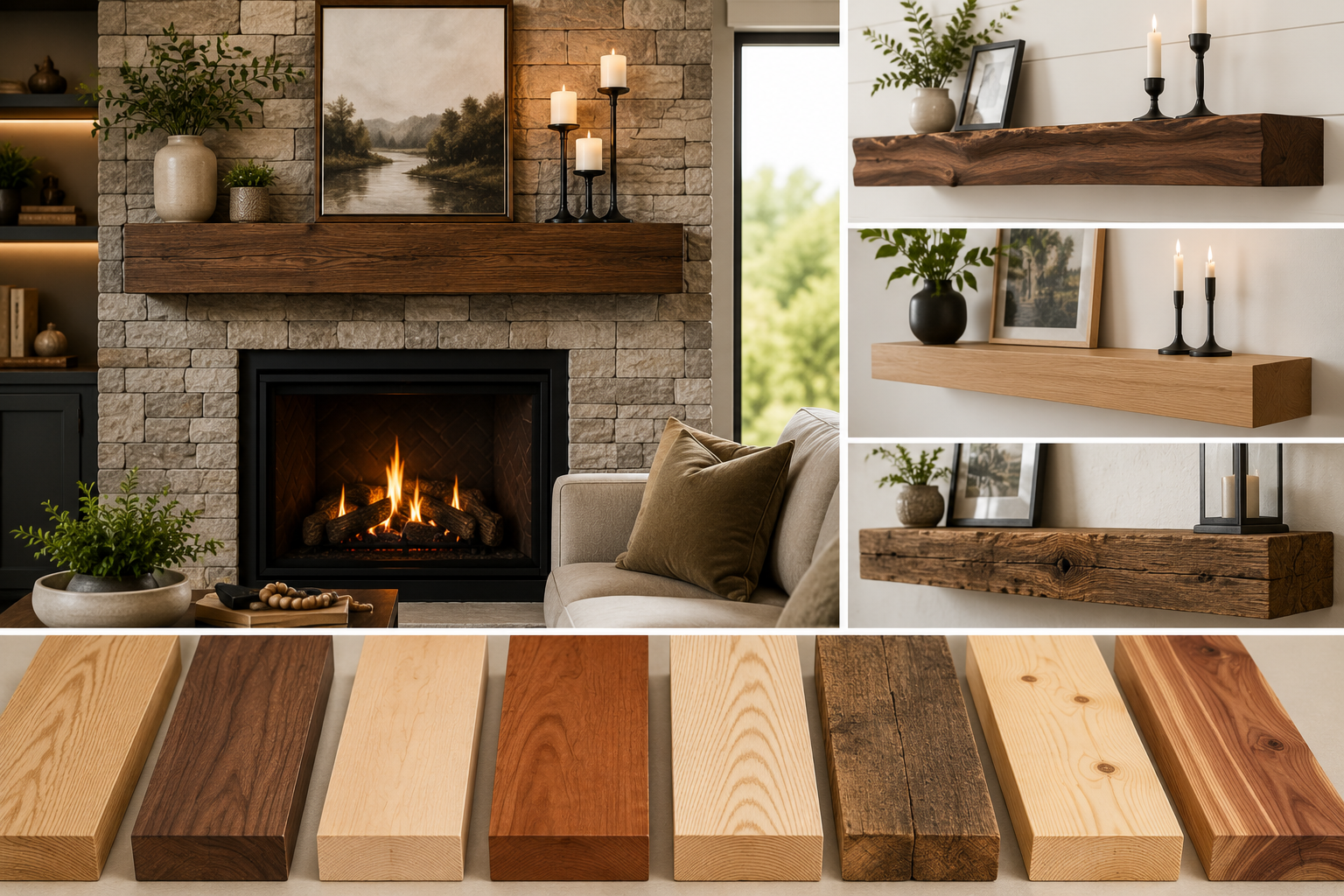
Best Wood for Fireplace Mantels and Floating Mantel Shelves
The best wood for fireplace mantels and floating mantel shelves depends on your home's style, budget, and the look you want to achieve. White oak is the top all-around choice because of its exceptional strength, durability, and timeless grain. Walnut offers a luxurious, high-end appearance, while maple provides outstanding hardness. Reclaimed wood is ideal for rustic homes, and pine is an affordable option for DIY projects.
Why the Right Wood Matters
A fireplace mantel is more than just a shelf above the fireplace—it's often the centerpiece of an entire room.
Whether you're decorating for the holidays, displaying family photos, or creating a cozy focal point, the wood you choose will determine:
Overall appearance
Structural strength
Resistance to warping
Long-term durability
Ease of finishing
Maintenance requirements
Choosing high-quality lumber ensures your mantel looks beautiful today and continues to perform for years to come.
What Makes a Great Mantel Wood?
Not every wood species is suitable for a fireplace mantel.
The best options typically offer:
Excellent structural stability
Attractive grain patterns
Minimal warping
Easy finishing
Good resistance to dents and scratches
Availability in longer board lengths
If you're installing a floating mantel, strength becomes even more important because the shelf relies on concealed hardware for support.
White Oak: The Best Overall Choice
White oak is widely regarded as one of the finest hardwoods for mantels.
Advantages
Extremely durable
Beautiful natural grain
Excellent load-bearing strength
Resists everyday wear
Accepts stain exceptionally well
Complements both modern and traditional interiors
Its neutral color works with almost every design style, making white oak one of the safest long-term investments.
Best For
Floating mantel shelves
Farmhouse fireplaces
Contemporary homes
Traditional living rooms
Walnut: Luxury and Sophistication
Walnut is a premium hardwood known for its deep chocolate-brown color and elegant grain.
Benefits
Rich natural color
Furniture-quality appearance
Smooth finish
Excellent dimensional stability
Ages beautifully
Walnut creates an upscale look without requiring heavy staining.
Best For
Luxury homes
Modern interiors
Executive offices
Statement fireplaces
Maple: Exceptional Strength
Maple combines durability with a clean, understated appearance.
Pros
Extremely hard surface
Resistant to dents
Smooth grain
Long lifespan
Easy to finish
Its subtle grain allows it to blend seamlessly into many contemporary spaces.
Cherry: Warm and Timeless
Cherry wood is prized for its rich reddish tones that deepen over time.
Advantages
Elegant appearance
Smooth texture
Beautiful aging process
Easy finishing
High-end craftsmanship
Cherry mantels pair especially well with classic architecture and traditional décor.
Ash: Bold Character
Ash offers a distinctive grain pattern with impressive strength.
Benefits include:
Excellent durability
Pronounced wood grain
Easy staining
Modern appearance
Good impact resistance
Ash is a popular choice for homeowners who want more visible natural wood character.
Reclaimed Wood: Rustic Charm
Few materials create warmth quite like reclaimed lumber.
Every beam tells a story through:
Weathered texture
Natural knots
Saw marks
Character cracks
Aged patina
Reclaimed wood is perfect for creating cozy farmhouse or cabin-inspired interiors.
Before installation, ensure reclaimed wood has been properly dried, cleaned, and treated for indoor use.
Pine: Affordable and DIY-Friendly
Pine remains one of the most popular choices for homeowners building their own mantel.
Advantages
Budget-friendly
Easy to cut
Lightweight
Widely available
Paints and stains well
Considerations
Pine is softer than hardwoods, making it more susceptible to dents and scratches. However, it remains an excellent choice for decorative mantels in lower-traffic areas.
Cedar: A Unique Alternative
Cedar provides natural warmth and rustic appeal.
Benefits include:
Attractive grain
Natural resistance to insects
Pleasant aroma
Lightweight construction
Although less common for indoor mantels, cedar works beautifully in cabins, lake houses, and rustic homes.
Comparing Popular Mantel Woods
Wood SpeciesStrengthAppearanceCostBest ForWhite OakExcellentClassic grainMedium-HighAll-purpose mantelsWalnutExcellentRich dark colorHighLuxury fireplacesMapleExcellentSmooth, clean grainMediumContemporary homesCherryVery GoodWarm reddish tonesHighTraditional interiorsAshVery GoodBold grainMediumModern rustic designsReclaimed WoodVery GoodWeathered characterVariesFarmhouse décorPineModerateLight natural grainLowDIY projectsCedarModerateRustic warmthMediumCabin-style homes
Solid Wood vs Hollow Box Mantels
Homeowners generally choose between two construction styles.
Solid Wood Mantels
Advantages include:
Authentic wood appearance
Exceptional durability
Greater weight capacity
Can be refinished multiple times
Ideal for premium installations where longevity is a priority.
Hollow Box Mantels
These mantels are constructed with a lightweight frame and wood exterior.
Benefits include:
Easier installation
Reduced weight
Lower cost
Excellent for floating mantel designs
When built correctly, hollow box mantels can closely resemble solid wood while simplifying installation.
Choosing the Right Mantel Dimensions
The size of your mantel should complement the fireplace and surrounding room.
Consider:
Fireplace width
Ceiling height
Wall size
TV placement
Decorative accessories
A mantel that is too small can appear insignificant, while one that is oversized may overwhelm the space.
Custom-cut lumber allows you to achieve dimensions that fit your home perfectly.
Best Finishes for Fireplace Mantels
A quality finish protects the wood while enhancing its natural beauty.
Popular options include:
Matte polyurethane
Satin polyurethane
Hardwax oil
Natural penetrating oil
Clear lacquer
Wood stain with protective topcoat
Choose a finish that complements your flooring, cabinetry, and furniture.
Installation Tips
For a secure installation:
Locate wall studs before mounting.
Use heavy-duty concealed brackets for floating shelves.
Ensure the mantel is perfectly level.
Follow local building codes regarding clearance from fireplaces.
Use kiln-dried lumber to minimize movement.
Proper installation is just as important as selecting the right wood.
Common Mistakes to Avoid
Choosing Wood Based Only on Appearance
Beautiful wood still needs sufficient strength to support decorative items safely.
Ignoring Heat Clearance
Always maintain the required distance between the mantel and the fireplace opening, particularly for gas or wood-burning fireplaces.
Consult your fireplace manufacturer's recommendations and local building codes before installation.
Using Wet Lumber
Improperly dried wood can shrink, twist, or crack after installation.
Kiln-dried lumber is recommended for interior mantel projects.
Overlooking Mounting Hardware
Even the strongest hardwood can fail if the mounting system isn't designed for the mantel's weight.
Invest in quality hardware appropriate for your wall construction.
Frequently Asked Questions
What is the best wood for a floating mantel?
White oak is widely considered one of the best options because it combines exceptional strength, stability, and timeless beauty.
Can pine be used for a fireplace mantel?
Yes. Pine is an affordable and beginner-friendly choice, especially for decorative mantels. However, it is softer than hardwoods and may dent more easily.
Is reclaimed wood safe for indoor mantels?
Yes, provided it has been properly cleaned, dried, and prepared for interior use.
Should I order a mantel cut to size?
Absolutely. Custom-cut lumber allows you to match your fireplace's exact dimensions, reduces waste, and simplifies installation.
Conclusion
A fireplace mantel is one of the most eye-catching architectural features in a home, and choosing the right wood makes all the difference. White oak stands out as the best overall option thanks to its outstanding durability, strength, and timeless appearance. Walnut delivers unmatched elegance, maple excels in durability, and reclaimed wood offers authentic rustic charm.
Whether you're building a floating mantel shelf for a modern living room or installing a handcrafted mantel in a traditional home, selecting high-quality lumber and ordering it cut to your exact dimensions will help you achieve a professional result that enhances your space for years to come.
