
How to Install a Baby Gate Without Damaging Your Walls or Floors
How to Install a Baby Gate Without Damaging Your Walls or Floors
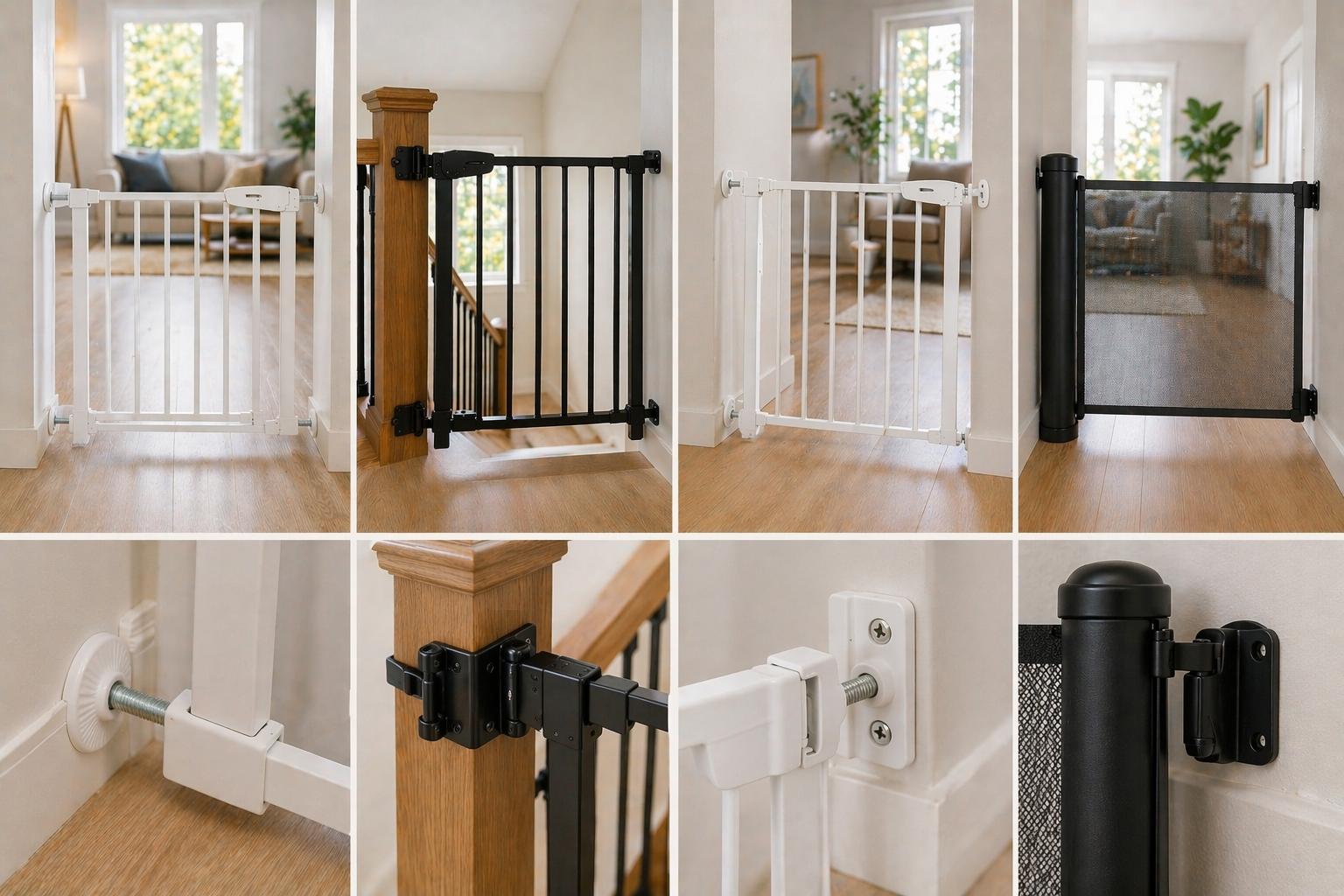
You can install a baby gate without damaging walls or floors by using pressure-mounted gates, banister mounting kits, or wall-mounted systems that avoid floor drilling. These options provide safety while keeping your home intact.
If you’re trying to install a baby gate, you’ve probably run into this dilemma:
👉 You need something secure
👉 But you don’t want holes in your walls or floors
Especially if you’re renting—or just don’t want permanent damage—this becomes a real concern.
The good news?
👉 There are several ways to install a baby gate safely without leaving marks or damage behind
Why Traditional Installation Can Be a Problem
Most standard instructions tell you to:
Drill into walls
Mount hardware permanently
Sometimes even anchor into floors
That can lead to:
Visible holes
Damage to paint or wood
Extra repair work later
The Best No-Damage Installation Methods
Let’s go through the safest and most practical options.
1. Pressure-Mounted Baby Gates (Easiest Option)
These are the most common no-drill solution.
How they work:
Use tension between walls
Rubber pads protect surfaces
No screws or drilling required
Pros:
Quick installation
No permanent damage
Easy to remove
Cons:
Not recommended for top of stairs
Can shift if not installed correctly
2. Banister Mounting Kits (Best for Stairs Without Damage)
Perfect if you have stair railings.
How they work:
Clamp onto banisters or posts
No drilling into wood
Works with hardware-mounted gates
Pros:
Strong and secure
No wall or railing damage
Ideal for stair tops
Cons:
Requires compatible railing structure
3. Wall-Mounted Gates (No Floor Damage)
These mount into walls—but not floors.
Why this matters:
Avoids drilling into flooring
Keeps installation clean
More secure than pressure gates
Pros:
Safe for top of stairs
No floor damage
Stable and long-lasting
Cons:
Requires minimal wall drilling
4. Retractable Baby Gates (Minimal Impact Option)
These combine flexibility and low impact.
How they work:
Mount to walls or banisters
Extend when needed
Retract into a small housing
Pros:
Clean, minimal look
No bulky structure
No floor drilling
Cons:
Still requires secure mounting
The Most Practical Long-Term Solution
Most homeowners find the best balance with:
👉 Wall-mounted or banister-mounted gates (no floor drilling)
This approach:
Protects your floors
Maintains safety
Reduces long-term damage
Product Integration (Soft Recommendation)
For a cleaner installation, many people choose baby gates designed for no-damage mounting, such as pressure-mounted systems, retractable gates, or wall-mounted gates that avoid floor drilling.
These options are built to:
Protect walls and flooring
Provide secure installation
Fit into modern homes without bulky setups
If you’re comparing options, browsing a collection of no-drill baby gates or sliding gate systems can help you find the right fit.
You can also check a related guide on the best baby gate for stairs without drilling for more specific recommendations.
Visual Example: Damage vs No Damage
Traditional Installation
Drill holes
Permanent marks
Hard to remove cleanly
No-Damage Installation
Pressure or clamp systems
Clean removal
No visible impact
Safety Tips (Important)
Even with no-damage setups:
Always Check Stability
Ensure the gate is firmly installed
Test before use
Use the Right Type for Stairs
Avoid pressure gates at stair tops
Use secure mounting options
Follow Weight and Size Limits
Choose a gate suited to your opening
Frequently Asked Questions
Can I install a baby gate without drilling?
Yes. Pressure-mounted and clamp systems allow no-drill installation.
Will pressure gates damage walls?
No. Most use rubber pads to protect surfaces.
What is safest for stairs without damage?
Banister-mounted or wall-mounted gates without floor drilling.
Do retractable gates damage walls?
Minimal impact, but they require secure mounting.
Can I remove the gate later?
Yes. Most no-damage options are removable.
Are no-drill gates safe?
Yes—if used in the correct location and installed properly.
Conclusion
Installing a baby gate doesn’t have to mean damaging your home.
With the right approach, you can protect your child while keeping your walls and floors intact.
Whether you choose a pressure-mounted gate, a banister mounting system, or a wall-mounted design that avoids floor drilling, there are plenty of options that balance safety and convenience.
If you want a setup that works without leaving marks behind, choosing the right installation method makes all the difference.
