
Walnut vs. Maple vs. Cherry Cutting Boards: Which Wood Is Best for Your Kitchen?
A cutting board is one of the most frequently used pieces in a kitchen, but choosing the right one involves more than finding a surface to chop vegetables. The wood you choose affects the board's appearance, character, maintenance, and how it complements your kitchen.
Three popular hardwood choices stand out: walnut, maple, and cherry. Each offers something different. Walnut brings rich, dark color and distinctive grain. Maple is known for its lighter, clean appearance and practical qualities. Cherry offers warm reddish tones that develop a deeper color over time.So, which is best for your kitchen? And if you are shopping for a beautiful wooden gift, which one should you choose?
At Stumps Custom Wood, we appreciate the natural beauty of wood and the craftsmanship that turns it into something useful and lasting. As a family-owned woodworking business in Shelby, Ohio, we create wooden products, including cutting boards and charcuterie boards, for people who value natural materials and thoughtful design.Let's compare walnut, maple, and cherry so you can make a more confident choice.
1. Walnut Cutting Boards: Rich Color, Natural Character, and Timeless Style
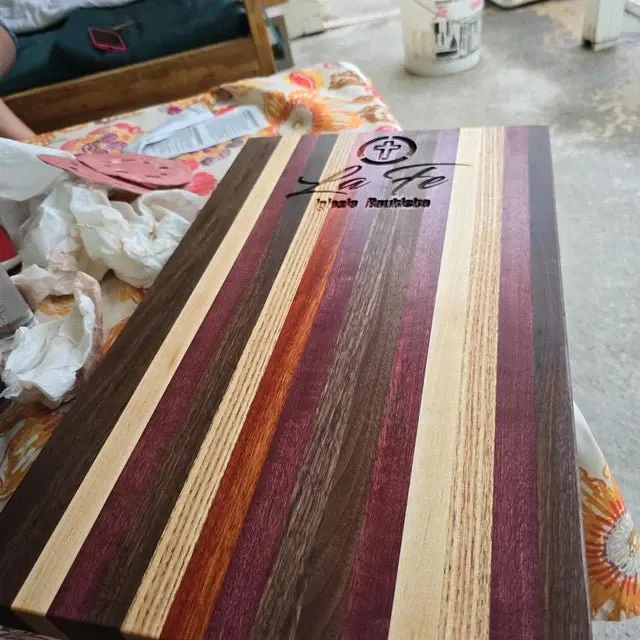
If you love the appearance of dark, elegant wood, walnut deserves your attention.Black Walnut is particularly admired for its rich brown tones, attractive grain patterns, and natural variation. Depending on the individual piece, its appearance can range from lighter brown areas to deeper chocolate shades. This variation gives walnut cutting boards a distinctive character.
A walnut cutting board can look equally attractive in a modern kitchen, a traditional home, or a carefully styled entertaining space. It can be used as a practical kitchen accessory or displayed when not in use.
Why choose walnut?
Beautiful natural color: Its rich brown appearance creates a warm, sophisticated look.
Distinctive grain: Natural grain variation gives each board its own visual personality.
Attractive serving presentation: Walnut can make an appealing surface for presenting suitable foods and appetizers.
Gift-worthy appearance: Its darker tones make it an excellent option for someone who appreciates natural wood products.
Personalization potential: Suitable wooden boards can be customized with names, messages, or decorative designs.
Walnut is a particularly attractive choice when appearance is high on your list. If you want a cutting board that looks like a carefully selected piece of natural wood rather than an ordinary kitchen accessory, it is worth considering.
At Stumps Custom Wood, Black Walnut is one of the wood types we feature in our woodworking. Its rich appearance makes it a compelling option for customers who appreciate the beauty of natural hardwood.
2. Maple Cutting Boards: Light, Clean, and Classic
Maple is a popular choice for cutting boards because of its light, understated appearance and practical hardwood characteristics.
Its creamy white to pale golden color creates a clean look that works well in many kitchens. If you prefer a bright kitchen aesthetic, maple may be more appealing than darker walnut.
Hard maple is also known for its hardness and relatively fine, even grain. These characteristics make it a traditional material for food-preparation surfaces.
Why choose maple?
Light appearance: Its pale color creates a fresh, simple look.
Fine grain: The relatively subtle grain pattern gives maple a clean visual finish.
Hardwood durability: Hard maple is a well-established option for cutting-board construction.
Versatile kitchen style: It can complement a wide range of kitchen colors and designs.
Classic appeal: Its understated appearance suits people who prefer simple, traditional wooden products.
Maple is a good option for someone who values a lighter-colored cutting board and a practical, traditional kitchen material.
However, remember that not all maple is identical. Hard maple and other maple species can have different properties, so the specific wood species matters when choosing a board.
3. Cherry Cutting Boards: Warm Color and Beautiful Aging
<escape>[INSERT CHERRY CUTTING BOARD PRODUCT IMAGE HERE]</escape>
Cherry offers a different kind of beauty. Its warm reddish-brown appearance gives it a softer, welcoming look that can make a kitchen feel more inviting.
One of the most appealing characteristics of cherry is how its color changes with age and exposure to light. Freshly worked cherry can appear lighter, while its color often deepens into a richer reddish tone over time.
Its grain is generally fine and relatively subtle, giving it an elegant appearance without demanding too much attention.
Why choose cherry?
Warm natural color: Its reddish tones create a welcoming appearance.
Developing character: Cherry often becomes darker and richer as it ages.
Smooth visual grain: Its relatively fine grain gives it an understated, attractive look.
Traditional appeal: It suits kitchens with warm wood accents and classic decor.
Distinctive gift option: Its changing color can make it especially interesting to someone who appreciates natural materials.
Cherry is a wonderful option for someone who prefers warm wood tones rather than the dark appearance of walnut or the pale look of maple.
Walnut vs. Maple vs. Cherry: Side-by-Side Comparison
Here is a quick comparison to help you understand the differences.
FeatureWalnutMapleCherryNatural colorRich brownCreamy white to pale goldenWarm reddish-brownGrain appearanceDistinctive and variedFine and subtleFine and relatively subtleGeneral hardnessModerately hardHard, especially hard mapleModerately hardAging appearanceCan develop a warmer, lighter appearance with use and exposureCan develop a warmer toneOften deepens to a richer reddish colorOverall styleRich and elegantClean and classicWarm and traditionalBest visual appealDark wood loversLight wood loversWarm-toned wood lovers
All three can make attractive cutting boards when properly selected, constructed, and finished for food-contact use. The best choice depends on the wood species, board construction, intended use, and your personal preferences.
Which Cutting Board Wood Is Best for Everyday Use?
This is one of the most important questions to consider.
A cutting board should be practical, comfortable to use, and suitable for the food-preparation tasks you perform regularly. Walnut, maple, and cherry can all be suitable choices when the board is properly designed and maintained.
Maple is traditionally valued for its hardness and fine grain. It is a strong option for people who want a classic food-preparation board.
Walnut offers an appealing balance of hardwood performance and rich natural appearance. It is especially attractive for someone who wants a board that also looks beautiful when displayed or used for serving.
Cherry provides a warm appearance and a useful hardwood surface. Its changing color can make it especially appealing to people who enjoy the character of naturally aging wood.
The construction matters, too. Edge-grain and end-grain boards are built differently, and their construction influences how the surface behaves during use. The finish and maintenance instructions are also important.
Rather than choosing based on color alone, consider how you intend to use the board and follow the maker's guidance for cleaning, drying, and maintenance.
Which Wood Is Best for a Charcuterie or Serving Board?
If you enjoy hosting guests, preparing appetizers, or arranging food for family gatherings, appearance may be just as important as everyday cutting performance.
Walnut is particularly attractive for serving because its darker background can create a striking contrast with lighter foods, cheeses, fruits, and crackers.
Maple offers a bright, clean background that can give a serving arrangement a fresh appearance.
Cherry provides warm reddish tones that complement the relaxed atmosphere of family gatherings and dinner parties.
For a Christmas celebration, birthday gathering, or housewarming gift, all three woods can make attractive serving pieces. The best choice depends on the style of the person receiving the gift.
At Stumps Custom Wood, we offer charcuterie boards and other handcrafted wooden products for customers who appreciate the combination of practical use and natural beauty.
Which Wood Makes the Best Personalized Cutting Board Gift?
A personalized cutting board is more than a kitchen accessory. It can become a meaningful present for someone who loves cooking, hosting, or spending time with family.
The choice of wood can help determine the overall look of the gift.
Walnut for an elegant personalized gift: A family name, meaningful date, or short message can stand out beautifully against walnut's darker tones.
Maple for a clean, traditional gift: Its lighter appearance can work well with simple names, decorative designs, and understated messages.
Cherry for a warm, sentimental gift: Its natural reddish color can complement family names, special dates, and messages celebrating home and togetherness.
Imagine giving a newly married couple a board engraved with their surname and wedding year. Or surprising your parents with a board carrying a family message. A personalized wooden gift can celebrate the people and traditions that make a home special.
Stumps Custom Wood offers personalization options that include laser engraving and CNC carving. If you have a design in mind, you can ask about the available options and whether your preferred wood and engraving are suitable for the project.
How to Care for a Wooden Cutting Board
No matter which wood you choose, proper care helps preserve the board's appearance and usefulness.
Here are some important habits:
Clean it after use: Follow the maker's cleaning instructions and avoid leaving food residue on the surface.
Do not soak it: Prolonged exposure to water can contribute to swelling, movement, and damage.
Dry it thoroughly: Allow the board to dry completely, including both sides, in a suitable position.
Avoid the dishwasher: High heat and prolonged moisture can damage wooden boards.
Maintain the finish: Use only a food-safe maintenance product recommended for your board.
Store it properly: Keep it in a dry place away from prolonged direct heat and moisture.
A little attention goes a long way toward preserving the natural character of walnut, maple, or cherry.
Why Choose Stumps Custom Wood for Your Wooden Cutting Board?
Choosing the right wood is important, but the craftsmanship behind the finished product matters just as much.
Stumps Custom Wood is a family-owned woodworking business based in Shelby, Ohio. We create handcrafted wooden products for customers who appreciate the character of natural wood and the value of thoughtful workmanship.
Our product range includes:
Wooden cutting boards
Charcuterie boards and serving products
Bathtub trays and caddies
Wooden shelves
Home goods and decor
Personalized wooden gifts
Custom woodworking projects
We understand that customers are not all looking for the same thing. Some want a beautiful cutting board for everyday kitchen use. Others are searching for a distinctive serving piece, a meaningful personalized Christmas present, or a custom wooden project that is difficult to find in ordinary stores.
That is why exploring a woodworking business can be worthwhile. Instead of settling for a generic product, you can discover handcrafted pieces and ask about a design that better suits your needs.
If you are interested in walnut, especially its rich natural color and distinctive grain, Stumps Custom Wood is a great place to begin exploring handcrafted wooden products.
For custom enquiries, share your idea, approximate dimensions, inspiration photos or sketches, preferred wood or finish, and delivery ZIP code. The shop can review the project based on its materials, complexity, capabilities, and workshop schedule and provide a quote where possible. Suitable completed projects can be shipped nationwide.
Final Verdict: Walnut, Maple, or Cherry?
So, which cutting board should you choose?
Choose walnut if you love rich brown tones, distinctive grain, and an elegant natural appearance.
Choose maple if you prefer a lighter-colored board with a classic look and traditional hardwood characteristics.
Choose cherry if you enjoy warm reddish tones and the beauty of wood that deepens in color as it ages.
There is no single winner for everyone. Each wood offers something special, and the best choice depends on your kitchen, intended use, personal taste, and budget.
But if you are drawn to the deep character and natural beauty of Black Walnut, it is easy to understand why it remains such an appealing choice for handcrafted kitchen products and gifts.
Discover Handcrafted Wooden Products at Stumps Custom Wood
Your kitchen deserves more than an ordinary accessory. Whether you prefer the rich beauty of walnut, the clean appearance of maple, or the warm tones of cherry, choosing a wooden cutting board is an opportunity to bring natural character into your home.
Explore Stumps Custom Wood for handcrafted cutting boards, charcuterie boards, personalized gifts, and other wooden products made for everyday living and special occasions.
SHOP ONLINE
Browse available wooden products and discover something special for your kitchen or your next gift.
Visit Stumps Custom Wood in Shelby, Ohio, and explore our woodworking products in person.
LOOKING FOR SOMETHING CUSTOM?
Have a particular wood, design, size, or engraving idea in mind? Contact Stumps Custom Wood with your project details and let us review what may be possible.Whether you are buying for yourself or choosing a thoughtful gift for someone special, let natural wood and careful craftsmanship make the difference.
