
How to Choose Between Walnut, Maple, Oak, and Poplar for DIY Projects
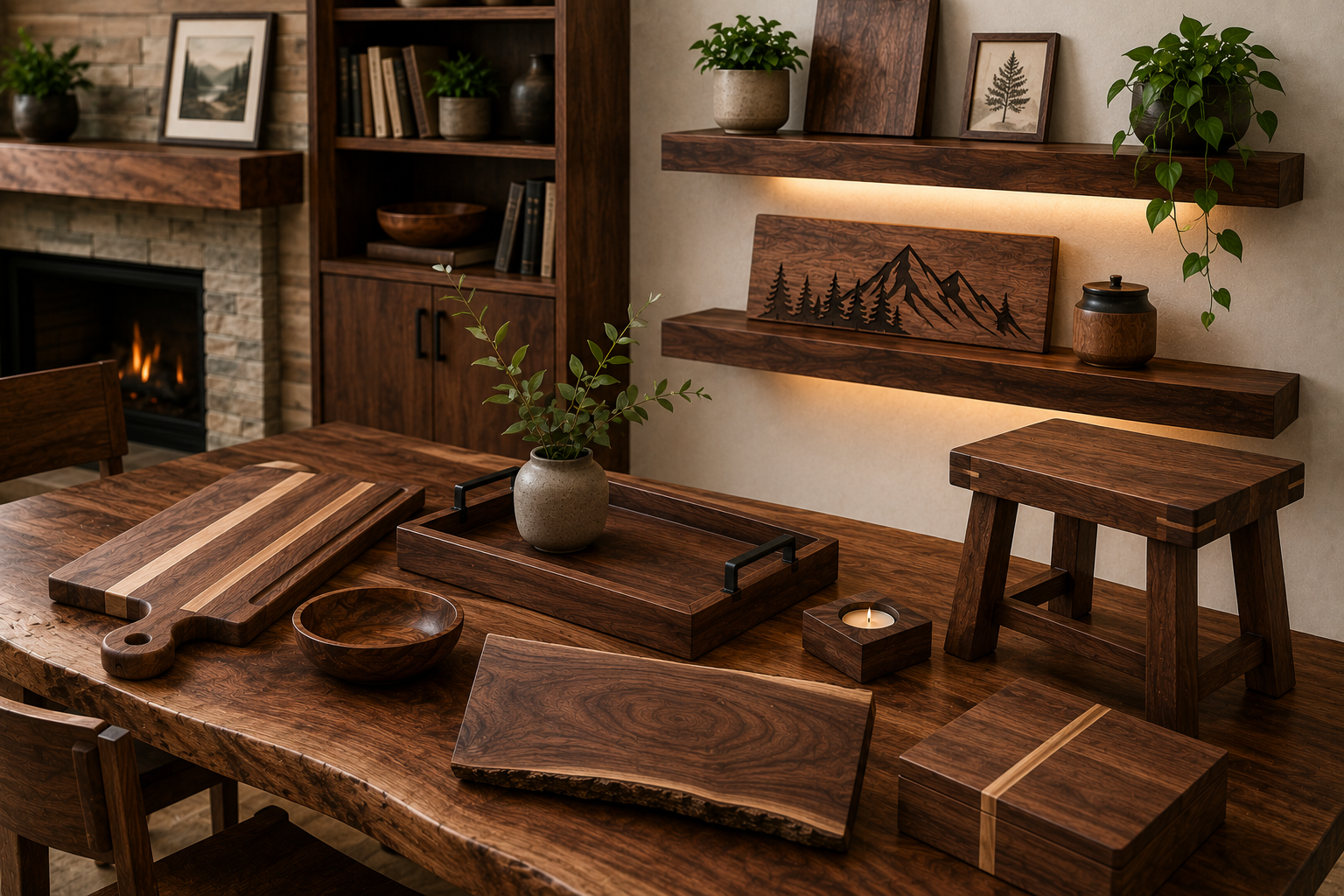
How to Choose Between Walnut, Maple, Oak, and Poplar for DIY Projects
The best wood for your DIY project depends on your goals. Black walnut is ideal for premium furniture and decorative projects, maple is excellent for durable work surfaces and cutting boards, oak is a strong all-purpose hardwood with distinctive grain, and poplar is an affordable option for painted projects and prototypes. Understanding the strengths of each wood helps you choose the right material and avoid unnecessary expense.
Why Your Wood Choice Matters
The wood you select affects:
Appearance
Durability
Ease of machining
Finishing options
Project cost
Long-term performance
A well-chosen hardwood can make even a simple DIY project look professionally built.
Black Walnut
Best For
Floating shelves
Coffee tables
Dining tables
Furniture
Mantels
Decorative home accents
Serving boards
High-end cabinetry
Advantages
Rich natural chocolate-brown color
Beautiful grain patterns
Excellent durability
Easy to finish
Timeless appearance
Black walnut is often chosen when the wood itself is meant to be a design feature rather than hidden under paint.
Considerations
Usually more expensive than other domestic hardwoods
Premium appearance may exceed the needs of simple utility projects
Maple
Best For
Cutting boards
Workbenches
Countertops
Cabinets
Tables
Furniture
Advantages
Extremely hard and durable
Smooth, fine grain
Light natural color
Excellent wear resistance
Maple is a favorite for projects that require a tough, long-lasting surface.
Considerations
Can be more difficult to stain evenly because of its dense grain
Lighter color shows dirt and scratches more readily than darker woods
Oak
Best For
Bookshelves
Cabinets
Flooring
Furniture
Built-ins
Stair components
Advantages
Strong and durable
Readily available
Distinctive grain
Good value
Oak has been a staple of furniture making for generations because of its strength and versatility.
Considerations
Prominent grain may not suit every design style
Heavier than some other hardwoods
Poplar
Best For
Painted furniture
Trim
Cabinet frames
Utility shelving
Practice projects
Workshop fixtures
Advantages
Budget-friendly
Easy to machine
Lightweight
Takes paint well
Poplar is a practical choice when the wood will be painted or hidden from view.
Considerations
Softer than walnut, maple, and oak
Less visually striking when finished naturally
Not the best option for heirloom-quality furniture
Side-by-Side Comparison
FeatureBlack WalnutMapleOakPoplarNatural ColorOutstandingLight CreamLight to Medium BrownPale Green to CreamGrain CharacterRich & ElegantFine & SubtleBold & PronouncedStraight & PlainDurabilityExcellentExcellentExcellentModerateEase of FinishingExcellentVery GoodVery GoodExcellent for PaintPaint-FriendlyGoodModerateModerateExcellentLuxury AppearanceOutstandingVery GoodExcellentFairTypical Cost$$$$$$$$$–$$$$
Which Wood Is Best for Common DIY Projects?
Floating Shelves
Best Choice: Black Walnut
Its rich color and distinctive grain make shelves look custom-built without requiring stain.
Cutting Boards
Best Choice: Maple
Its hardness and tight grain make it a popular choice for food-preparation surfaces.
Farmhouse Furniture
Best Choice: Oak
Its pronounced grain complements rustic and traditional styles.
Painted Furniture
Best Choice: Poplar
It provides excellent value and a smooth surface for paint.
Luxury Home Décor
Best Choice: Black Walnut
Whether you're making mantels, coffee tables, display shelves, or decorative accents, walnut offers a premium finish that stands out.
Don't Overbuy Lumber
No matter which species you choose, buying oversized boards often results in:
Higher costs
More waste
Extra machining
Unused offcuts
Ordering boards cut to your required dimensions can simplify your project and reduce material waste.
Tips for Choosing the Right Wood
Ask yourself:
Will the wood remain natural or be painted?
Is appearance or cost the priority?
Does the project need exceptional durability?
Will the wood become a visible design feature?
Do I need boards cut to specific dimensions?
The answers will help narrow your options.
Common Mistakes to Avoid
Choosing Based Only on Price
The least expensive wood may not provide the look or durability your project requires.
Ignoring Grain Patterns
Visible furniture and décor benefit from attractive, consistent grain.
Buying More Lumber Than Necessary
Ordering custom-cut boards helps reduce waste and control costs.
Using Premium Hardwood for Hidden Parts
Reserve walnut for components that will actually be seen and appreciated.
Frequently Asked Questions
Which wood is best for beginner DIY projects?
Poplar is often recommended because it is affordable, easy to machine, and paints well.
Is black walnut worth the extra cost?
If appearance, durability, and long-term value are priorities, many DIYers and furniture makers consider it well worth the investment.
Which wood is best for floating shelves?
Black walnut is one of the most popular choices because of its strength, rich color, and distinctive grain.
Can I order hardwood boards cut to size?
Yes. Many suppliers offer custom-cut boards in walnut, maple, oak, and other hardwoods, allowing you to buy only what your project requires.
Conclusion
Every hardwood has strengths, but the best choice depends on your project's purpose, budget, and desired appearance. Maple excels in durability, oak offers versatility and classic character, poplar provides outstanding value for painted projects, and black walnut delivers unmatched elegance for furniture and home décor.
By choosing the right species—and ordering boards cut to the exact dimensions you need—you can reduce waste, simplify your build, and create DIY projects that look professionally crafted from start to finish.
