
Best Reptile Enclosure for Humidity Control
Best Reptile Enclosure for Humidity Control
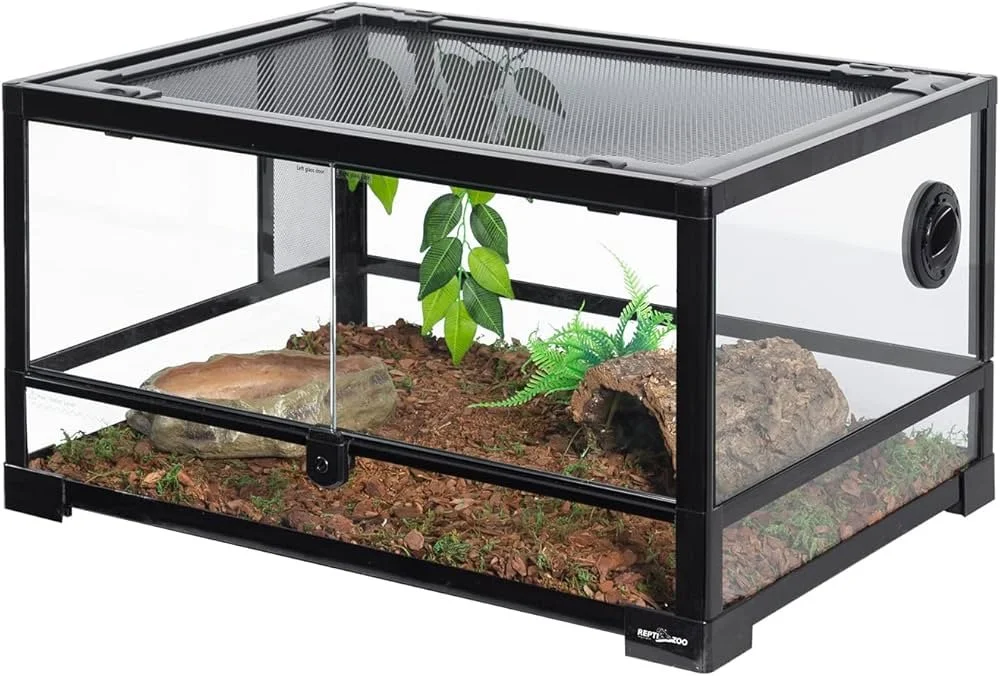
The best reptile enclosure for humidity control is a PVC enclosure.It retains moisture exceptionally well, maintains stable humidity levels, and allows precise control over airflow and temperature—making it ideal for tropical reptiles.
Why Humidity Control Matters
For reptiles like ball pythons, boas, geckos, and amphibians, humidity isn’t just a comfort factor—it’s essential for survival.
Poor humidity can lead to:
❌ Incomplete or stuck sheds
❌ Respiratory infections
❌ Chronic dehydration
❌ Stress and weakened immunity
In short: wrong humidity = long-term health problems
The Best Option: PVC Enclosures
Why PVC is the #1 Choice
PVC enclosures dominate when it comes to humidity control because of their structure and material.
Key advantages:
💧 Non-porous → doesn’t absorb moisture
🔒 Sealed design → traps humidity efficiently
🌡️ Insulated → stabilizes both heat and humidity
🎛️ Custom airflow → adjustable vents for fine control
Result: Stable humidity with less effort and less misting
Enclosure Comparison (Humidity Performance)
Enclosure TypeHumidity ControlBest Use CasePVC ExcellentTropical reptilesGlass Moderate Beginner setupsAcrylic GoodMid-range setupsScreen PoorDry / ventilated species
If your reptile needs consistent humidity, PVC wins—no debate.
What Makes an Enclosure Good for Humidity
1. Controlled Ventilation
Too much airflow = dry enclosure
Look for:
Side vents (not full mesh tops)
Adjustable airflow panels
2. Solid Top (Critical)
Mesh tops are one of the biggest humidity killers.
❌ Mesh → humidity escapes instantly
✅ Solid top → traps moisture effectively
3. Front-Opening Design
Maintains internal humidity better
Reduces stress during handling
Prevents full moisture loss when opened
4. Deep, Moisture-Retaining Substrate
Best options:
Coco fiber
Sphagnum moss
Bioactive soil mixes
These act like a natural humidity reservoir
5. Smart Add-ons
Optional—but powerful:
Mist systems
Foggers
Humidity hides
Even one humidity hide can create a mini climate zone for shedding.
Advanced Setup: Bioactive EnclosuresIf you want near-perfect humidity with minimal maintenance:
Go bioactive
This includes:
Live plants
Soil ecosystem
Micro-organisms (isopods, springtails)
Benefits:
Self-regulates humidity
Holds moisture longer
Creates a natural ecosystem
Best combo:
PVC enclosure + bioactive setup = elite humidity control
Example Setup (Ball Python)
PVC enclosure (4×2×2 ft)
Coco fiber + moss substrate
Covered/adjustable vents
Large water bowl
Humidity hide
Outcome: Stable 60–80% humidity with minimal effort
Common Mistake to Avoid
Glass tanks with mesh tops
Problem:
Lose humidity quickly
Require constant misting
Create unstable conditions
This is the #1 reason keepers upgrade to PVC.
Final Verdict
If humidity control is your priority PVC enclosures are the best choice—by far
They:
Maintain stable humidity
Reduce daily maintenance
Improve reptile health
Mimic natural habitats more effectively
Simple Takeaway
If your humidity is off:
Don’t just mist more
Fix the enclosure first
