
How to Turn a Coat Closet Into a Pantry: A Practical Guide to Creating More Kitchen Storage
How to Turn a Coat Closet Into a Pantry: A Practical Guide to Creating More Kitchen Storage
Running out of kitchen storage does not necessarily mean you need a bigger kitchen. Sometimes, the extra space you need is already hiding behind a door in your hallway.
A coat closet filled with jackets, shoes, umbrellas, and everyday odds and ends may be taking up valuable space that could serve a more useful purpose. With thoughtful planning, sturdy shelving, and a few smart organizing choices, that underused closet can become a convenient pantry for dry goods, canned food, baking ingredients, snacks, and kitchen essentials.
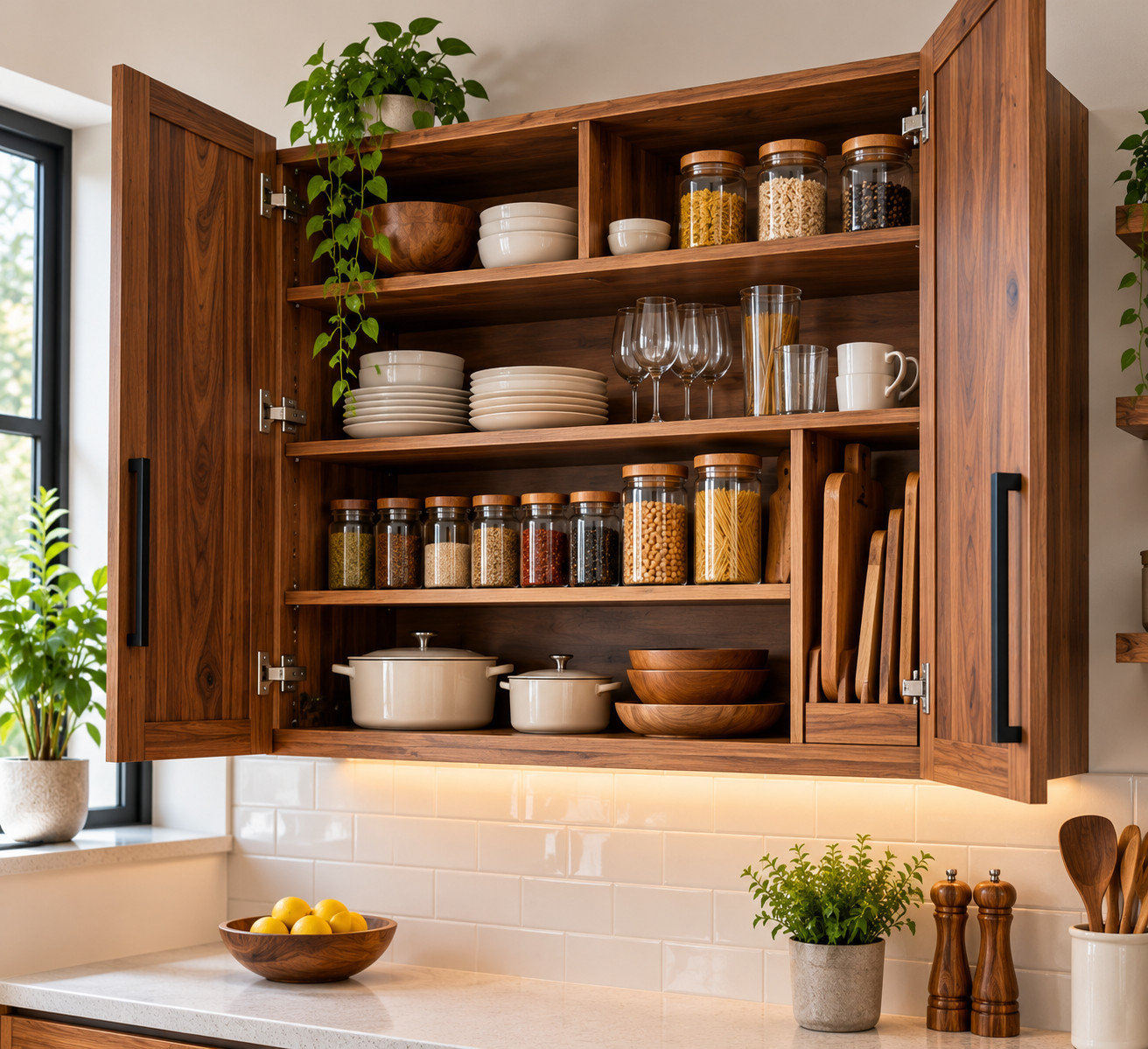
Imagine opening a closet door and finding neatly arranged jars of pasta, rows of canned vegetables, baskets of snacks, and clearly labeled containers of flour and sugar. Instead of squeezing groceries into already crowded kitchen cabinets, you have a dedicated place to store them. Your countertops stay clearer, shopping becomes easier to manage, and the kitchen feels less chaotic.
Turning a coat closet into a pantry is a practical way to increase storage without remodeling the entire kitchen. And with attractive shelving and natural wood details, the finished space can feel like an intentional part of your home rather than a makeshift storage cupboard.
For homeowners who appreciate functional storage with a warm, handcrafted look, Stumps Custom Wood offers wooden shelves, home goods, and custom woodworking that can inspire ways to make better use of existing space.
Here is how to plan and create a coat closet pantry that works for your home.
1. Decide Whether Your Coat Closet Is Suitable for a Pantry
Before removing hooks or buying shelves, take a good look at the closet. Not every coat closet is automatically suitable for food storage, but many can work well with a few adjustments.
Start by checking its location, size, condition, and accessibility.
A closet near the kitchen or dining area is especially convenient because you can reach ingredients without walking across the house. A hallway closet may also work if it is easy to access and stays reasonably cool and dry.Measure the interior width, depth, and height. Note the position of the door frame, baseboards, existing shelving, and any obstacles that could interfere with installing storage.
Next, inspect the space for signs of moisture, musty odors, pest activity, or water damage. Food should be stored in a clean, dry environment away from household chemicals, cleaning products, and other contaminants. If the closet has persistent dampness or a history of leaks, address the problem before using it as a pantry.
Also consider how the closet will be used. If it is the only practical place to hang coats, you will need to find another location for them before converting the space.
Planning tip: Make a list of the foods and supplies you want to store. A pantry for canned goods and packaged snacks may need different shelf spacing from one intended for cereal boxes, large containers, baking supplies, and bulk purchases.
2. Empty the Closet and Start With a Clean Slate
The easiest way to see the closet's potential is to remove everything inside it.
Take out coats, shoes, umbrellas, bags, hooks, and loose items. Sort the contents into three groups: things to keep elsewhere, things to donate or discard, and items that belong in another storage area.Once the closet is empty, clean the shelves, walls, floor, and door. Remove dust and debris, and allow the space to dry completely before adding food storage.
This is also the time to check the walls and floor for damage. Repair loose trim, address peeling surfaces, and resolve any signs of pests or moisture before moving on.A clean, empty closet gives you a much clearer picture of the usable space. It also helps you avoid designing shelves around clutter that should not have been there in the first place.
3. Plan Shelving Around the Food You Actually Buy
Shelving is the foundation of a successful closet pantry. The goal is not simply to fill every inch with boards. It is to make food visible, accessible, and easy to organize.
Start by grouping the types of products you regularly purchase.
Canned foods and jars: These need sturdy shelves with enough depth to hold them securely.
Pasta, rice, and grains: Bins or clear containers can make these items easier to identify.
Cereal and snack boxes: Taller shelf spaces prevent packaging from being squeezed or stacked awkwardly.
Baking supplies: Flour, sugar, cocoa, and similar ingredients benefit from a dedicated area.
Bulk purchases: Larger packages may need deeper shelves or a lower storage zone.
Small packets and seasoning: Baskets or shallow bins can prevent small items from disappearing behind larger products.
Measure your largest packages before deciding on shelf spacing. Remember that the usable height is affected by the shelf thickness and any brackets or supports.
You may find that several adjustable shelves are more useful than a single set of equally spaced shelves. Adjustable storage lets you accommodate changing needs, from tall cereal boxes to short jars and cans.
4. Choose Shelves That Are Strong, Stable, and Easy to Clean
A pantry shelf needs to support more than lightweight decorations. Canned goods, jars, bottles, and bulk food packages can become surprisingly heavy when stored together.
Choose shelving and mounting hardware rated for the intended load. Secure wall-mounted shelves to suitable structural support, and follow the manufacturer's installation instructions. Do not rely on drywall anchors alone for heavy loads unless the specific system is designed and rated for that use.
Wooden shelves can be an excellent choice because they combine strength, warmth, and a timeless appearance when properly designed and installed.Imagine opening the pantry to see sturdy wooden shelves holding neatly grouped jars, baskets, and food containers. The wood creates a softer visual contrast with the colorful packaging, making the storage feel more like a thoughtfully designed part of the home.
When choosing wood or a finish, consider the pantry environment. Surfaces should be smooth, durable, and easy to keep clean. Allow any finish to cure fully according to its manufacturer's instructions before placing food packages on the shelves.
Avoid overloading long shelves, and consider additional support where needed to reduce sagging.
Why custom wooden shelving may be worth considering
Closets do not always have standard dimensions. A narrow opening, unusual depth, baseboard, or awkward corner can make ready-made shelves difficult to fit efficiently.
Custom woodworking may help you use the available width and height more effectively. Instead of leaving large gaps or forcing an unsuitable shelf into the space, you can plan a storage arrangement around the closet's actual measurements.
Stumps Custom Wood offers custom woodworking and wooden home products, making it a useful source of inspiration for homeowners who want storage that combines practical function with natural character.
5. Make the Most of Vertical Space
One of the biggest advantages of a closet pantry is the ability to use height that might otherwise go to waste.
Rather than installing only two or three shelves, consider dividing the space into zones.
Upper shelves: Store lightweight or less frequently used items, such as extra napkins, backup supplies, or unopened packages that you do not need every day.
Middle shelves: Keep frequently used ingredients, snacks, cereals, pasta, and canned goods at comfortable reaching height.
Lower shelves: Use the bottom area for heavier items, bulk packages, and larger containers, provided they can be stored safely and kept clean.
Leave enough space between shelves to remove items without catching the packaging on the shelf above. If you have children, keep potentially hazardous products and fragile glass containers in appropriate locations.If the closet is deep, avoid pushing small items to the back where they will be forgotten. Pull-out baskets or bins can help make deeper storage more accessible.
The aim is to make every shelf useful without turning the pantry into a cramped wall of food.
6. Use the Back of the Door for Small Items
The inside of the closet door can provide extra storage without reducing much of the shelf space.
Depending on the door's construction and available clearance, a suitable door-mounted organizer can hold lightweight items such as seasoning packets, snack bars, small packaged foods, or other pantry accessories.Before installing one, measure the space between the door and the shelves. Check that the door can close fully and that the organizer will not strike jars or containers when opened.
Use hardware appropriate for the door and the organizer's intended load. Avoid placing heavy glass containers in a door organizer that is not designed to support them.This is a useful way to keep small items visible instead of letting them get lost behind larger packages.
7. Add Baskets and Clear Containers to Control Clutter
Shelves alone do not always make a pantry feel organized. Small packages, opened bags, and loose snack items can quickly turn a neat arrangement into a jumble.
Baskets and containers give those items a defined place.
Use one basket for snacks, another for baking supplies, and a separate bin for packets or small ingredients. Label the containers so family members can return items to the right place.Clear, food-safe containers can be useful for ingredients such as rice, pasta, flour, and sugar. Choose containers that seal properly and are appropriate for the food being stored. Label them clearly, including the food type and relevant date information when useful.
Keep original packaging or product information when it contains important allergen, cooking, or storage instructions. Avoid combining foods in ways that could create confusion about ingredients or expiration dates.You do not need to buy a matching set of expensive containers all at once. Start with the items that create the most clutter and expand the system as needed.
8. Organize the Pantry Into Practical Zones
A pantry becomes easier to use when similar items are stored together.
Rather than placing groceries wherever a gap appears, create simple zones based on how you cook and shop.
For example:
Breakfast zone: Cereal, oats, spreads, and breakfast snacks.
Baking zone: Flour, sugar, baking powder, chocolate chips, and other baking ingredients.
Meal-preparation zone: Pasta, rice, beans, canned tomatoes, and other cooking staples.
Snack zone: Crackers, nuts, snack bars, and packaged treats.
Backup-supply zone: Unopened packages and extras of products you use regularly.
The exact arrangement depends on your household. If you bake often, baking supplies may deserve a central shelf. If your family uses snacks throughout the day, keep those items accessible and grouped together.
A good organization system should reflect your routines rather than forcing you to work around a complicated layout.
9. Make a Plan for Food Safety and Storage
Because a coat closet was not necessarily designed for food, pay attention to the conditions inside it.
Keep the pantry dry, clean, and reasonably cool. Avoid storing food beside heating equipment, hot pipes, or areas exposed to direct sunlight or temperature extremes.Use sealed containers for dry goods where appropriate, and follow the storage instructions on food packaging. Check for pests regularly, clean up spills promptly, and discard contaminated or spoiled food.
Store food separately from cleaning products, paints, pest-control chemicals, and other household supplies. Do not use the pantry for chemicals simply because the closet once held coats and shoes.If the closet is near an exterior door, check for drafts, moisture, or temperature changes that could affect food storage. If the environment is unsuitable, another storage location may be a better option.
10. Improve Lighting So You Can Find Things Easily
A deep closet can become frustrating when the back of the shelves is dark. You may end up buying ingredients you already have simply because you cannot see what is stored behind the front row.
Good lighting makes a pantry easier to use and maintain.
If the closet has no built-in light, consider a suitable battery-operated or rechargeable LED light designed for indoor use. Choose an option that can be installed safely and does not create heat or electrical hazards around stored goods.
Position the light so it illuminates the shelves rather than shining directly into your eyes when you open the door.Better visibility also makes it easier to spot spills, expired products, and packages that need to be replenished.
11. Make the Pantry Attractive Without Overdecorating
A pantry is a practical storage space, but that does not mean it has to look unattractive.
Simple details can make the closet feel clean and intentional. Use consistent baskets, clear labels, neatly arranged containers, and shelving that suits the rest of your home.Natural wood can add warmth without requiring elaborate decoration. Wooden shelves against a light-colored wall can create a clean, welcoming backdrop for neatly arranged pantry goods.
If you want a more coordinated appearance, choose a limited palette for labels and containers. Keep decorative objects to a minimum so they do not take up space needed for food.The best-looking pantry is one that remains functional after the initial organizing session. Make it easy for everyone in the household to return items to their proper place.
12. Keep the New Pantry Organized With a Simple Routine
Once the conversion is complete, a few small habits can help keep it from becoming cluttered again.
When unpacking groceries, place new items behind older products of the same type. Check dates and rotate food according to the product's storage instructions.Before shopping, take a quick look at the pantry so you know what needs replacing. A short list can help prevent duplicate purchases and reduce food waste.
Every few weeks, remove items that have spilled, check for pests, wipe shelves as needed, and return misplaced products to their designated zones.Do not feel obligated to maintain a perfectly styled pantry. The goal is a storage space that makes daily life easier—not another area of the home that requires constant attention.
Common Mistakes to Avoid
A coat closet pantry can work extremely well, but a few common mistakes can limit its usefulness.
Installing shelves before measuring: Poorly planned dimensions can waste space or prevent larger packages from fitting.
Using weak supports: Pantry goods can be heavy. Choose suitable shelves, brackets, and mounting hardware for the expected load.
Making every shelf the same height: Different food packages need different amounts of clearance. Adjustable or varied shelf spacing is often more practical.
Filling the closet immediately: Leave room to move items and access the back of the shelves. An overfilled pantry is difficult to maintain.
Ignoring moisture or pests: Resolve any underlying problems before storing food.
Storing everything in opaque containers: Containers can be useful, but clear labeling is essential so you know what is inside and can track dates where relevant.
Forgetting the door clearance: Door-mounted organizers must fit without hitting shelves or preventing the door from closing.
Avoiding these mistakes will help you create a pantry that works well long after the conversion is finished.
Add Storage With the Warmth of Custom Wooden Shelves
A successful pantry does more than hold groceries. It gives everyday items a clear place, makes cooking supplies easier to find, and helps reduce clutter elsewhere in the home.The right shelves are central to that transformation. They need to be sturdy and practical, but they can also contribute to the appearance of the space.
At Stumps Custom Wood, a family-owned woodworking business based in Shelby, Ohio, handcrafted shelves, wooden home goods, and custom woodworking reflect the appeal of combining practical use with the natural beauty of wood.If you are converting a coat closet into a pantry, think about how the shelves will look as well as how much they will hold. The grain and color of wood can bring warmth to a compact storage area, while a well-planned layout helps you make better use of the space.
Custom woodworking can be especially helpful when a closet has unusual dimensions or when standard shelving does not provide the arrangement you need. A solution designed around the available space may help reduce awkward gaps and create more usable storage.You can apply the same thinking to other parts of your home, too. A wooden shelf in a hallway, a tray on a bathroom counter, or a carefully chosen home accessory can help keep everyday belongings organized while making the room feel more inviting.
Explore Stumps Custom Wood's handcrafted wooden products and custom woodworking for inspiration on bringing practical storage and natural character into your home.
Final Thoughts: Turn Unused Closet Space Into Everyday Convenience
A coat closet can become a surprisingly useful pantry when you plan the layout carefully, choose sturdy shelves, organize food into practical zones, and keep the environment clean and dry.Start by measuring the closet and deciding what you need to store. Then build a shelving plan around your groceries, make use of vertical space, and add baskets or containers only where they solve a real problem.
You do not need a full kitchen renovation to create a more organized home. Sometimes, the best improvement comes from rethinking a space you already have.
With thoughtful planning and attractive shelving, an overlooked closet can become a convenient pantry that makes grocery storage easier, frees up kitchen cabinets, and helps your home feel more organized.For homeowners who want functional storage with a natural, handcrafted look, Stumps Custom Wood offers wooden shelves, home goods, and custom woodworking to inspire practical improvements throughout the home.
