
Small-Space Storage Ideas for Kitchens, Bathrooms, Closets & Utility Rooms
When your home feels crowded, it isn't always because you need more square footage. Sometimes, the real problem is that everyday belongings don't have a convenient place to go. Kitchen counters fill with appliances and supplies, bathroom cabinets become cluttered with toiletries, closets overflow with clothing, and utility rooms collect everything that doesn't fit anywhere else.
These problems can be especially frustrating in smaller homes, apartments, and older houses where storage wasn't designed around modern household needs.
The solution is to make better use of the space you already have. Wall-mounted shelves, cabinet organizers, narrow storage units, drawer dividers, and thoughtfully designed wooden storage pieces can turn overlooked areas into practical places for everyday belongings.
And storage doesn't have to look plain or temporary. Stumps Custom Wood, a family-owned woodworking business based in Shelby, Ohio, offers handcrafted wooden products and custom woodwork for homeowners who appreciate storage that combines practical purpose with the warmth and character of natural wood.
Whether you're reorganizing one crowded cabinet or improving several rooms, these small-space storage ideas can help you create a home that feels more open, organized, and inviting.
1. Kitchen Storage Ideas That Free Up Counter Space
The kitchen is one of the easiest places for clutter to accumulate. Coffee makers, cooking utensils, spice jars, cutting boards, and food containers compete for limited counter and cabinet space.
The trick is to move belongings off work surfaces and give frequently used items a more convenient home.
Add shelves to unused wall space
Look at the walls above a counter, beside the refrigerator, or in an empty corner. A well-positioned shelf can hold spices, mugs, small containers, or decorative kitchen essentials without taking up valuable counter space.
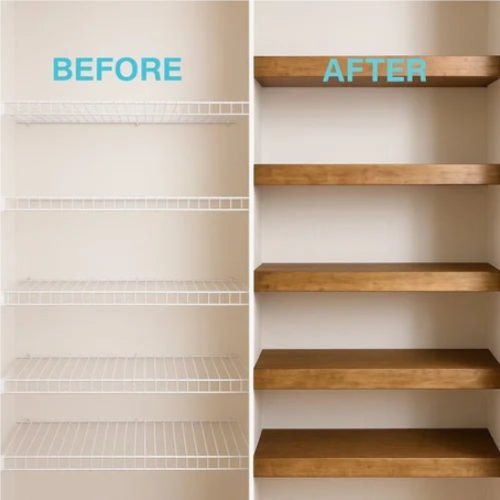
Wooden shelves are particularly appealing in kitchens because they introduce natural texture alongside stone, tile, stainless steel, and painted cabinets. A rich walnut tone can create contrast against light-colored walls, while lighter wood can complement a bright, relaxed kitchen.
Choose shelf depth carefully so items are easy to reach without making the room feel cramped. Keep heavy objects securely supported and avoid placing shelves where they interfere with cooking or movement.
Organize cutting boards and serving boards vertically
Stacked cutting boards and serving boards can take up more space than expected, especially when several sizes are stored together.
A vertical divider inside a cabinet can keep boards upright, making it easier to remove one without disturbing the others. You can also dedicate a convenient cabinet section to cutting boards and serving pieces rather than spreading them across several shelves.
This is a useful opportunity to combine organization with craftsmanship. A beautifully grained wooden cutting board or charcuterie board can be both a practical kitchen tool and an attractive serving piece.
Stumps Custom Wood offers wooden products that fit naturally into this style of home. Instead of treating every wooden item as something to hide away, consider how carefully chosen boards can bring useful function and natural character to your kitchen.
Make deep cabinets easier to use
Deep cabinets often waste space because items get pushed to the back. Use removable bins, shelf risers, or suitable pull-out organizers to bring supplies within reach.
Group baking ingredients together, keep food containers in one area, and store frequently used cookware where you can reach it comfortably.
Before buying organizers, measure the cabinet interior and account for hinges, shelves, and other obstructions. The best solution is one that fits the cabinet rather than forcing you to rearrange everything around it.
2. Bathroom Storage Ideas for Tight Spaces
Bathrooms often have limited storage despite holding a surprising number of daily essentials. Towels, toiletries, cleaning supplies, grooming tools, and spare products can quickly overwhelm a small vanity.
The goal is to create storage that keeps necessities accessible without making the room feel crowded.
Use the space above the toilet
The wall above the toilet is often overlooked. Depending on the layout, a narrow shelf or compact storage unit can hold spare toilet paper, folded hand towels, and small baskets of bathroom supplies.
Keep the arrangement simple. A few organized essentials look better and are easier to maintain than a shelf packed with miscellaneous products.
Wooden shelving can soften the appearance of a bathroom dominated by tile and porcelain. Choose a suitable material and finish for the room's humidity, and keep wooden pieces away from persistent water exposure.
Divide the space beneath the sink
The cabinet beneath a bathroom sink can be awkward because plumbing occupies part of the available space.
Use small bins for toiletries, cleaning cloths, and spare supplies. A two-level organizer designed to accommodate plumbing may create additional storage, while separate containers make it easier to remove everything when cleaning.
Keep products grouped by purpose and leave enough room to check for leaks or access plumbing when needed.
Turn bath time into a more organized experience
Storage can also improve the way you use your bathroom, not just how you store supplies.
A bathtub tray or caddy creates a convenient place for selected bath-time essentials, helping keep the tub's edges and nearby surfaces clear. Depending on the design, it can provide space for a book, a washcloth, or other items you want close at hand while relaxing.
For homeowners who enjoy natural materials, a handcrafted wooden bathtub tray can add a spa-like touch. The grain and warm tones of wood create a pleasing contrast with a white bathtub, making an ordinary evening bath feel a little more considered.
Stumps Custom Wood offers bathtub trays and caddies among its wooden products. If you're looking for a storage accessory that is both useful and attractive, explore its handcrafted options when planning your bathroom refresh.
Always follow the care instructions for wooden bath accessories, wipe away moisture after use, and avoid leaving them exposed to standing water.
3. Closet Storage Ideas That Make Every Inch Count
A small closet can feel full even when it contains only the clothing and belongings you actually use. Bulky hangers, uneven stacks, and poorly arranged shelves can leave valuable space unused.
Before buying more storage products, empty the closet and identify what needs to remain there. Then organize the remaining belongings according to how often you use them.
Add a second level of hanging space
If your closet has enough height, a second hanging rod can provide more room for shorter items such as shirts, skirts, and folded trousers hung on suitable hangers.
Keep longer garments in a separate section so they don't bunch up against shoes or stored items. Make sure the additional rod is securely installed and doesn't make the closet difficult to access.
Use shelves for bags, shoes, and folded clothing
Shelves can turn unused vertical space into practical storage. Place frequently worn shoes and everyday bags where they're easy to reach, reserving higher shelves for seasonal items.
Use matching bins or labeled containers for accessories that would otherwise become scattered. Avoid filling every shelf completely; leaving a little room makes it easier to retrieve items and return them to their proper places.
Add wooden shelves for a more finished look
Closet storage doesn't have to feel temporary or purely utilitarian. Wooden shelves can provide a more cohesive appearance while creating dedicated spaces for folded clothing, bags, accessories, and storage baskets.
When a closet has unusual dimensions, custom-sized shelving may be more effective than trying to fit standard products into an awkward opening.
Stumps Custom Wood's custom woodworking can be worth exploring when you want a wooden storage solution that suits a particular space. Start with accurate measurements and a clear idea of what each shelf needs to hold so the finished arrangement supports your everyday routine.
4. Utility Room Storage Ideas for Everyday Household Supplies
Utility rooms often become catch-all spaces for laundry products, cleaning equipment, paper goods, spare household supplies, and tools. Without a clear layout, the room can become crowded even when it has several shelves or cabinets.
The solution is to create separate storage zones.
Install shelves above appliances
If your washer and dryer leave usable wall space above them, a shelf can hold detergent, fabric softener, stain removers, and laundry accessories.
Group smaller items in containers to prevent bottles and packets from spreading across the shelf. Keep frequently used products within comfortable reach, and follow appliance clearance and installation guidance.
A wooden shelf can introduce warmth to a laundry area filled with hard surfaces and plastic packaging. It can also make a basic utility room look more intentional without requiring a full renovation.
Make narrow gaps useful
The space between an appliance and a wall may be suitable for a slim organizer, provided it doesn't interfere with appliance operation or maintenance.
Use narrow storage for lightweight supplies such as lint rollers, cleaning cloths, and small laundry accessories. Measure carefully before purchasing anything, and avoid blocking vents, hoses, electrical connections, or other essential access points.
If the space has an unusual shape, a tailored storage solution may work better than a standard unit.
Organize cleaning supplies by category
Keep laundry products separate from general household cleaners. Use clearly labeled containers for small accessories, and store chemicals according to their instructions in a location inaccessible to children and pets.
This simple separation makes it easier to find the right product without searching through several cabinets.
5. Use Vertical Storage Instead of Filling the Floor
One of the most effective small-space strategies is to think vertically. When every available floor area becomes a place to set things down, rooms quickly feel smaller and harder to navigate.
Wall-mounted shelves, hooks, tall cabinets, and narrow storage units can move appropriate belongings off the floor while preserving useful walking space.
In the kitchen, vertical storage might hold utensils or selected cooking accessories. In a bathroom, it can accommodate towels and toiletries. In a closet, it can provide additional shelving for bags and seasonal belongings. In a utility room, it can keep supplies organized above appliances or work surfaces.
The key is to avoid filling every wall with storage. Choose the locations that offer the greatest benefit, then leave enough open space to keep the room comfortable.
For heavier objects, use appropriate mounting hardware and secure shelves to suitable structural supports. Store heavy items at safer, accessible heights rather than placing them high overhead.
6. Choose Multi-Purpose Storage Pieces
In a small home, furniture and storage accessories that serve more than one purpose can be especially valuable.
A bench with storage beneath the seat can provide a place to sit while keeping selected belongings out of sight. A small table with a shelf can offer a useful surface without requiring a separate storage unit. A serving tray can organize everyday items on a counter and make them easier to move when the surface is needed for another task.
Wooden pieces are especially versatile because they can work with many interior styles. Natural grain adds visual interest without requiring elaborate decoration, and a well-chosen wood tone can connect different rooms through a consistent material.
For example, a wooden tray can gather toiletries on a bathroom counter, organize small items on a bedroom dresser, or keep frequently used accessories together in a utility space. A wooden shelf can serve a practical purpose while also adding warmth to an otherwise plain wall.
Stumps Custom Wood's range of wooden products and custom work offers inspiration for homeowners who want storage to feel like part of the home's design rather than an assortment of unrelated organizers.
7. Make Awkward Corners Work for You
Not every room has convenient rectangular walls and generous cabinet space. Older homes, compact apartments, and remodeled rooms may have narrow alcoves, sloped ceilings, uneven corners, or small spaces beside appliances.
These areas often become clutter magnets because standard storage products don't fit properly.
Start by measuring the opening at several points. Note doors, trim, pipes, outlets, and other features that may limit the available space. Then consider whether a narrow shelf, corner organizer, or compact cabinet would provide useful storage without obstructing movement.
Custom woodworking can be particularly helpful when an awkward space has a clear purpose but doesn't accommodate standard dimensions. A shelf made to suit the opening can reduce wasted space and create a more finished appearance.
Stumps Custom Wood can be a useful option to explore for custom wooden projects. Before planning a piece, identify what you want to store, how much weight it must support, and whether the surrounding environment involves moisture or temperature changes.
A tailored solution should solve a real storage problem—not simply fill an empty corner.
8. Use Drawer Dividers and Small Containers
Small objects often create the biggest organizational headaches. Measuring spoons, toiletries, hair accessories, batteries, fasteners, cleaning cloths, and other everyday items can disappear into drawers or become mixed together on shelves.
Drawer dividers and small containers give these belongings a defined place.
In kitchens, dividers can separate utensils and cooking tools. In bathrooms, small trays can keep daily essentials together. In utility rooms, containers can hold clothespins, spare accessories, and other small supplies.
The important thing is to group items by purpose rather than placing everything into containers without a plan. Label containers when their contents aren't obvious, and keep frequently used belongings toward the front.
If standard organizers don't fit a particular drawer, a fitted wooden insert may provide a more precise solution. The compartments can be planned around the items you actually own, making the available space easier to use.
9. Reduce Clutter Before Adding More Storage
Even the best shelving cannot solve every storage problem. Sometimes, a room feels crowded because it contains too many items rather than too little storage.
Before investing in new organizers, remove expired products, broken belongings, duplicates, and items that belong in another room.
Then identify the things you use every day, the items you need occasionally, and the belongings you can store elsewhere. Place daily essentials in the easiest-to-reach locations and move seasonal or rarely used items to less convenient shelves.
This process is especially helpful in kitchens and bathrooms, where expired products and duplicate supplies can quietly take over valuable cabinet space.
Once you've reduced the clutter, you'll have a clearer idea of what storage you actually need. You may discover that one additional shelf or a simple wooden organizer solves the problem more effectively than a large new cabinet.
10. Bring Warmth and Craftsmanship Into Your Storage Plan
Small-space storage is ultimately about making everyday life easier. But practical solutions can also make a home feel more welcoming.
Natural wood brings texture and warmth to rooms that otherwise rely heavily on painted surfaces, tile, plastic containers, and metal hardware. A carefully chosen shelf, organizer, serving board, or bath accessory can make an ordinary space feel more personal.
That's where Stumps Custom Wood fits naturally into a home improvement plan. As a family-owned woodworking business based in Shelby, Ohio, Stumps Custom Wood creates wooden products and custom woodwork for homeowners who appreciate practical function and the distinctive character of wood.
Whether you're refreshing a kitchen, organizing a bathroom, improving a closet, or finding a better arrangement for a utility room, consider which wooden pieces could make the space work harder while adding visual warmth.
The best storage upgrades aren't necessarily the biggest or most expensive. They are the ones that fit your space, support your habits, and remain useful long after the initial cleanup.
Create More Space Without Making Your Home Bigger
You don't need to expand your home to make it feel more organized. By using vertical space, improving cabinet interiors, adding narrow shelves, and choosing storage pieces that suit each room, you can make kitchens, bathrooms, closets, and utility rooms more functional.
Start with the area that frustrates you most. Clear out what you don't need, measure the available space, and choose a few targeted improvements rather than filling the room with more containers.
For a finishing touch, consider handcrafted wooden products and custom woodworking that combine useful storage with natural character. Stumps Custom Wood offers an opportunity to explore wooden pieces that bring craftsmanship into everyday spaces.
With thoughtful planning and the right storage choices, even the smallest corners of your home can become more useful, attractive, and enjoyable to live in.
